
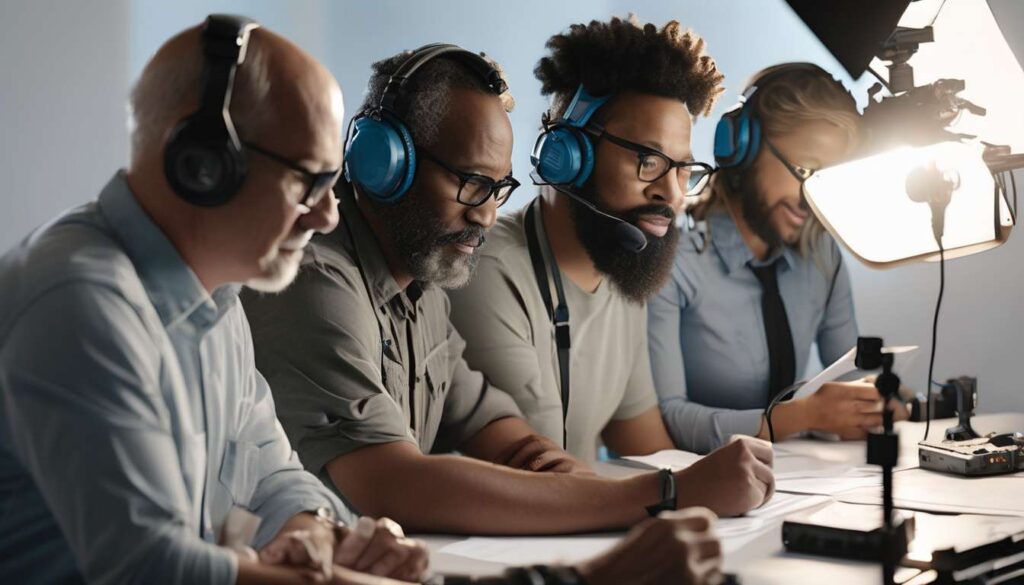
Uncomfortable with the gap between what we expect from adult media workplaces and what training actually provides, we must ask: are our production programs preparing professionals for real-world ethical, technical, and interpersonal demands?
As media environments evolve rapidly—streaming platforms, user-generated content, and remote production—standards for conduct, safety, and quality remain essential yet often inconsistently applied.
We see teams juggling tight schedules while navigating harassment policies, consent protocols, and accessibility requirements without standardized preparation.
By examining how targeted production training can reinforce workplace norms, uphold legal and ethical obligations, and foster inclusive cultures, we can bridge that divide.
This article explores practical training models, measurable outcomes, and the role of leadership in embedding standards into daily practice.
Together, we will consider evidence-based approaches that transform training from a box-checking exercise into a strategic investment in professional integrity, productivity, and long-term sector resilience.
Industry Skills Alignment
We align our production training to the specific technical, legal, and interpersonal skills that performers and crew need to meet workplace standards.
We focus on consent protocols as a core competency.
- Teach clear negotiation.
- Train verbal check-ins.
- Document boundaries.
We build technical proficiency through hands-on workshops.
- Camera operation.
- Lighting.
- Sound.
- Safe scene mechanics.
We cultivate inclusive leadership by training supervisors.
- Model empathy.
- Manage power dynamics.
- Create spaces where questions and concerns are welcomed without judgment.
We make learning collaborative.
- Peer mentoring.
- Role-play.
- Debriefs to practice real scenarios and reinforce shared expectations.
We assess progress with measurable competencies and refreshers.
By centering consent protocols, technical proficiency, and inclusive leadership, we create a workplace where belonging isn’t optional — it’s built into how we train, communicate, and operate every day.
Ethical Practice Frameworks
We establish clear ethical practice frameworks that guide decision-making, protect rights, and hold everyone accountable on set.
We design shared standards that balance creative goals with respect for performers, crew, and community expectations.
Our frameworks embed consent protocols as a foundational element, ensuring everyone understands boundaries and reporting pathways without stigmatizing questions.
We pair those protocols with measurable expectations for technical proficiency, so safety and quality are demonstrably linked to skills rather than assumed.
We promote inclusive leadership that models respectful behavior, invites diverse perspectives, and creates pathways for underrepresented team members to contribute and advance.
We use concise policies, regular training, and accessible documentation so people feel equipped rather than policed.
- Concise policies outline rights, responsibilities, and procedures.
- Regular training reinforces practice and updates skills.
- Accessible documentation provides clear, searchable references.
We encourage open dialogue, peer feedback, and neutral mediation resources to resolve concerns quickly and fairly.
- Open dialogue and peer feedback normalize communication.
- Neutral mediation offers impartial resolution when needed.
We also review frameworks regularly with the whole team, adapting to new legal standards, technology, and community norms.
- Schedule periodic reviews.
- Solicit team-wide input.
- Update policies and training accordingly.
By centering belonging, competence, and accountability, we create environments where creative work thrives and people feel seen, safe, and valued.
Consent and Safety Protocols
We prioritize clear, affirmative agreements and layered safety measures so everyone knows what’s expected and how to stop or change a scene at any time.
In our trainings, we establish concise consent protocols that cover verbal, nonverbal, and pre-negotiated boundaries.
- We rehearse safe words and gesture systems until they feel natural.
- We practice scenarios so responses become automatic and respectful.
We create a culture where questions and resets are welcome, and where mutual respect is the baseline.
We pair those protocols with practical coaching that builds technical proficiency in equipment handling and scene logistics without compromising dignity or comfort.
- Hands-on coaching emphasizes safe use of gear and clear communication during setup and performance.
- Practical drills focus on minimizing risk while maintaining artistic intent.
Our approach centers inclusive leadership: producers and coordinators model accountability, listen for concerns, and redistribute power so participants feel seen and supported.
- Leaders run brief pre-shoot check-ins to confirm consent remains intact.
- We provide on-set advocates to raise and address issues in real time.
- Agreements are documented so expectations are clear and revisitable.
By combining clear protocols, practiced skills, and leadership that values belonging, we reduce risk and foster a workplace where everyone can participate with confidence and mutual care.
Technical Competency Drills
Hands-on drills rehearse camera setups, lighting changes, mic placement, and on-set choreography so crews and performers can execute scenes reliably and safely.
We run regular, practical exercises that mirror real shoots to reinforce technical proficiency while embedding consent protocols into every motion and cue.
We practice step-by-step scenarios that mirror real shoots.
- These scenarios reinforce technical skills.
- They also integrate consent and safety cues into routine actions.
We rotate roles so everyone—from grips to talent coordinators—builds shared skills and mutual trust.
- Role rotation strengthens capability across the crew.
- It builds a sense of belonging and shared responsibility.
Sessions are focused and time-boxed, using checklists and brief debriefs to pinpoint gaps and celebrate improvements.
- Checklists keep drills efficient and consistent.
- Debriefs surface learning and acknowledge progress.
We encourage questions, normalize asking for clarification, and use inclusive leadership to guide decision-making.
- This ensures quieter team members contribute solutions.
- It fosters psychological safety and better teamwork.
We document competencies, offer targeted refreshers, and align drills with workplace standards to reduce errors and stress.
- Document observed competencies and gaps.
- Provide targeted training based on those observations.
- Ensure alignment with safety and workplace policies.
Training together in realistic setups cultivates a capable, considerate crew committed to safety and quality.
The result is consistent performance, clear communication, and an environment where technical skill and respect go hand in hand.
Accessibility and Inclusion Training
We train everyone to recognize and remove barriers—physical, communicative, and cultural—so all crew and performers can participate safely and with dignity.
We build modules that pair practical accessibility adjustments with clear consent protocols so comfort and boundaries are honored from pre-production through wrap.
- These modules cover captioning, audio description, mobility accommodations, and set layout planning.
- They include technical proficiency training for assistive equipment to ensure teams can implement accommodations without delay.
We cultivate inclusive leadership by training producers, directors, and department heads to listen, respond, and allocate resources equitably.
We run scenario-based exercises that normalize asking questions, adapting workflows, and documenting accommodations transparently.
- Exercises teach when and how to ask about needs, how to adapt schedules or spaces, and how to record accommodations.
- Outcomes are evaluated with participant feedback and accessibility audits, then used to iterate policies and checklists.
We communicate expectations clearly so everyone knows how to request support and whom to notify, fostering mutual respect and belonging.
By embedding accessibility and inclusion into routine training, we make professional standards practical, measurable, and sustained across every production.
Harassment Prevention Measures
We implement clear, enforceable harassment prevention measures so everyone on set can work without fear of intimidation, unwanted advances, or hostile behavior.
We train teams on consent protocols that define explicit, ongoing agreement before and during scenes, and we reinforce how to pause and renegotiate if anyone feels unsafe.
We pair consent training with practical technical instruction so crew know how to operate gear without encroaching on personal space, maintain respectful staging, and minimize situations that could feel invasive.
We cultivate inclusive leadership by setting expectations for producers, directors, and department heads to model respectful conduct, respond promptly to concerns, and support confidential reporting.
We create multiple, accessible reporting channels and guarantee protection from retaliation.
We hold regular workshops and scenario-based rehearsals so everyone practices boundary-setting and allyship.
By combining clear rules, hands-on skills, and accountable leadership, we build a workplace where people belong, feel heard, and can focus on creative collaboration free from harassment.
Performance Assessment Metrics
We will define clear, measurable performance metrics that assess respect for boundaries, communication skills, safety compliance, and technical execution on set.
Evaluation of consent protocols will use documented checklists and observed interactions to rate clarity, timeliness, and mutual understanding.
Communication skills will be measured by:
- Responsiveness
- Conflict resolution
- Ability to articulate needs
These will use brief standardized rubrics so everyone knows expectations.
Safety compliance will receive objective scoring based on:
- Equipment checks completed
- Incident reporting accuracy
- Adherence to on-set safety briefings
Technical proficiency will be assessed with task-based tests:
- Lighting setups
- Camera operation
- Sound capture
Each task will be scored against benchmarks that reflect real production demands.
Composite scorecard will combine:
- Peer feedback
- Supervisor evaluations
- Self-assessments
This creates a balanced scorecard that values growth and accountability.
Transparency and use: Metrics will be shared in advance and used to guide coaching, not punish.
Goal alignment: By aligning assessments with consent protocols, technical proficiency, and inclusive leadership goals, we will foster a workplace where people feel competent, respected, and connected.
Leadership and Culture-building
We will cultivate leadership practices and a culture that prioritize respect, clear communication, and shared responsibility across every role on set.
We establish inclusive leadership that models empathy, enforces consent protocols, and creates predictable routines so everyone knows how to raise concerns and get support.
We will train leads to pair technical proficiency with interpersonal skills, so problem-solving never overrides care for boundaries.
We commit to regular briefings that center consent protocols and role clarity, and to debriefs that surface improvements without blame.
We will mentor crew and performers alike, rotating responsibilities to widen experience and deepen trust.
We will measure culture by participation in safety checks, responsiveness to reports, and visible adherence to agreed norms — not just production speed.
We hold leaders accountable through transparent feedback loops, clear escalation paths, and documented expectations.
By embedding inclusive leadership and practical skill development into daily practice, we build a workplace where everyone feels seen, capable, and responsible for sustaining a respectful, safe, and professional environment.
How much does participation in the production training program cost for individual workers or small studios?
We offer flexible pricing to make programs accessible.
Sliding-scale fees, tiered packages, and occasional scholarships are available so everyone can join.
Typical costs:
- Individuals: Single-workshop rates are generally low.
- Small studios: Bundled programs and studio licenses reduce the per-person cost.
Payment options and discounts:
- We’ll work with you on payment plans.
- Community discounts are available to fit budgets.
Our goal: Keep access fair, inclusive, and sustainable for members.
Are there any certification or accreditation bodies that officially recognize completion of this training?
Yes — several certification and accreditation bodies officially recognize completion of this training.
We’ve partnered with industry-recognized organizations and local advocacy groups.
- These partners issue completion certificates and publicly recommend our curriculum.
- They help ensure the training meets current professional and community standards.
We’ll guide you through credentialing options.
- Step 1. We explain which credentials fit your goals and region.
- Step 2. We provide application guidance and required documentation.
- Step 3. We offer support to prepare for any assessments or verification steps.
We’ll connect you to regional bodies that value these standards.
- Local organizations and networks that recognize the certification.
- Opportunities to list or display your credential within community directories.
We celebrate and help publicize your achievement.
- We provide verifiable completion certificates.
- We offer advice on showcasing credentials to employers, volunteer organizations, and community groups.
Can the training be adapted or delivered remotely for international participants in different time zones and legal jurisdictions?
We can adapt and deliver the training remotely for international participants across time zones and legal jurisdictions.
Delivery options:
- We’ll offer live sessions at varied times to accommodate different time zones.
- We’ll provide recorded modules so participants can access content asynchronously.
- We’ll supply localized materials to respect local laws, languages, and cultural norms.
Compliance and legal considerations:
- We’ll collaborate with local advisors to ensure regulatory compliance.
- We’ll provide clear consent and data policies that align with applicable privacy laws.
Inclusion and support:
- We’ll create supportive cohort groups so everyone feels included and connected.
- We’ll offer ongoing support and channels for questions and troubleshooting.
Assessment and flexibility:
- We’ll offer flexible assessment options to meet diverse learning needs and constraints.
- We’ll provide follow-up resources and continuing education pathways to reinforce learning.
Conclusion
You’ve seen how production training aligns industry skills, ethical practice, consent protocols, technical drills, accessibility, harassment prevention, assessment metrics, and leadership development.
By embedding these elements, you create safer, more professional adult media workplaces that respect performers, crew, and audiences.
You’ll reduce risk, raise standards, and foster inclusive cultures where accountability and growth are routine.
Commit to ongoing training and review, and you’ll sustain ethical, high-quality production practices that benefit everyone involved.